Modern Slavery Statement — Commercial Waste Byfleet
 Commercial Waste Byfleet is committed to preventing modern slavery and human trafficking in all areas of our operations and supply chains. This Modern Slavery Statement sets out the steps we take to identify, assess and mitigate risks related to forced labour, bonded labour and other forms of exploitation across our byfleet commercial waste services. We maintain a zero-tolerance approach to any form of modern slavery and expect the same standard from our partners and suppliers.
Our policy applies to all employees, contractors and third-party suppliers engaged in providing commercial waste in Byfleet and surrounding areas. We require suppliers to adhere to ethical labour standards, demonstrate compliance with applicable laws, and to allow verification through audits and assessments. Byfleet commercial waste operations are covered by our supplier code of conduct, which clearly states expectations on working hours, pay, freedom of movement and safe working conditions.
 We conduct risk assessments across sectors relevant to Commercial Wastes Byfleet, placing particular emphasis on labour-intensive activities such as collection, segregation and manual handling. Supplier audits form a central part of our due diligence: we undertake on-site checks and desk-based reviews, use risk-based audit frequency and require corrective action plans where non-compliance is identified. Suppliers with material breaches face contract termination.
To reinforce our zero-tolerance policy, we deliver regular training to staff involved in procurement, operations and contract management. Staff are trained to recognise indicators of modern slavery and to escalate concerns promptly. Commercial waste in Byfleet must be managed responsibly, and our workforce is our first line of defense against exploitation.
 We maintain multiple confidential reporting channels to encourage the safe and secure reporting of concerns. These channels include internal reporting to designated compliance officers and a secure, anonymous whistleblowing process. Reports are investigated promptly, and protection measures are implemented where needed to safeguard victims and whistleblowers.
Our governance framework assigns responsibility for modern slavery compliance to senior management and the board. We record evidence of supplier assessments, audits and remediation activities, and apply contractual clauses that permit unannounced inspections and termination for breach. The organisational culture at Commercial Waste Byfleet strongly supports transparency and accountability.
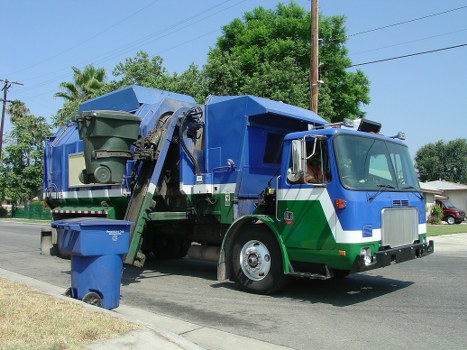 Key elements of our approach include:
- Zero-tolerance policy: Immediate action on any credible allegation of modern slavery.
- Supplier audits: Risk-based audits, corrective action and contractual enforcement.
- Reporting channels: Confidential and anonymous mechanisms to report concerns.
- Training and awareness: Continuous education for staff and contractors.
- Monitoring and record-keeping: Evidence-based review of supply chain practices.
 We commit to an annual review of this statement and our policies to ensure they remain effective and proportionate to emerging risks in the waste management sector. That review includes assessing the impact of new suppliers, changes in operations, and lessons learned from incidents and audits. The results of the review inform updates to our procurement processes, supplier on-boarding and audit priorities.
As part of continuous improvement, Commercial Waste Byfleet will continue to collaborate with industry partners, local stakeholders and regulators to strengthen collective action against modern slavery. We will adopt best practices tailored to the nuances of commercial waste collection, recycling and disposal operations, and escalate remediation where required.
In summary, our commitment to preventing modern slavery is integral to how we operate. Whether described as Byfleet commercial waste, Commercial Waste Byfleet or commercial waste in Byfleet, our policies and procedures seek to eliminate exploitation across our entire value chain. We will maintain vigilance, undertake targeted supplier audits, support accessible reporting channels and perform an annual review to ensure ongoing effectiveness.
