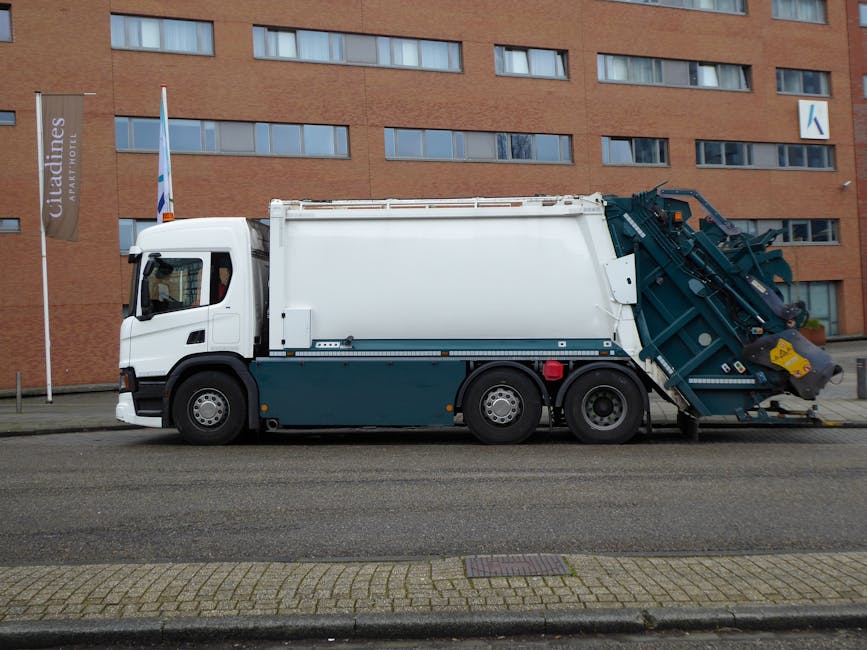
Fleet Elvetham Heath bulky waste pickup guide
If you have an old sofa leaning in the hallway, a broken wardrobe in the spare room, or a garage full of odds and ends you keep meaning to sort, this Fleet Elvetham Heath bulky waste pickup guide is for you. Bulky waste is one of those jobs that looks simple from the outside, then suddenly turns into a lift-heavy, time-consuming mess once you start shifting it around. Truth be told, most people just want it gone without damaging the walls, the driveway, or their weekend.
This guide explains how bulky waste pickup usually works in Fleet Elvetham Heath, what counts as bulky waste, what to prepare before collection, and how to avoid the common mistakes that slow everything down. You will also find practical tips on compliance, item types, collection methods, and a simple checklist you can use before booking. If you are comparing collection options, you may also find it useful to look at waste removal services and specialist options such as furniture disposal or mattress and sofa disposal.
Contents
- Why Fleet Elvetham Heath bulky waste pickup guide Matters
- How Fleet Elvetham Heath bulky waste pickup guide Works
- Key Benefits and Practical Advantages
- Who This Is For and When It Makes Sense
- Step-by-Step Guidance
- Expert Tips for Better Results
- Common Mistakes to Avoid
- Tools, Resources and Recommendations
- Law, Compliance, Standards, or Best Practice
- Options, Methods, or Comparison Table
- Case Study or Real-World Example
- Practical Checklist
- Conclusion
- Frequently Asked Questions
Why Fleet Elvetham Heath bulky waste pickup guide Matters
Bulky waste is not just "big rubbish". It is usually the awkward stuff that does not fit neatly into a bin, a car boot, or a normal weekly collection. Think wardrobes, settees, beds, broken tables, white goods, garage clutter, garden furniture, and renovation leftovers. In a place like Fleet Elvetham Heath, where homes, flats, driveways, and shared access areas can vary a lot, the way you plan a pickup matters more than people expect.
A well-planned pickup saves time, reduces lifting risk, and keeps the whole job calmer. That sounds obvious, but in real life it often means the difference between a quick clear-out and a very frustrating morning with items halfway out of the house and nowhere to put them. A proper bulky waste pickup also helps avoid fly-tipping, unsafe stacking, and accidental damage to walls, floors, or communal entrances.
There is another side to it too. Many bulky items can be reused, refurbished, or recycled if handled properly. A responsible collection approach supports better recycling and cleaner disposal outcomes. For readers who care about that side of things, the company's recycling and sustainability approach is worth a look.
Expert summary: the best bulky waste pickup is rarely the fastest one to organise on the day itself; it is the one prepared properly the day before. Label the items, clear access, and separate anything hazardous or reusable. Small effort, big payoff.
How Fleet Elvetham Heath bulky waste pickup guide Works
The basic process is straightforward, though the details can differ depending on what is being removed. In most cases, you identify the items, get a quote or booking, make sure access is clear, and arrange for the collection team to lift and load the waste. If the service is a man-and-van style collection, the team will usually assess volume on arrival and remove the waste directly. If the job is larger, it may be treated more like a wider home clearance or house clearance rather than a single-item pickup.
For bulky waste, timing and access are usually the two biggest variables. A sofa on the ground floor is a very different job from the same sofa on the third floor with a narrow stairwell and no lift. One might take minutes; the other might take careful planning, protective wrapping, and two people working as a team. It is not glamorous, but that is the reality.
Many pickups also include special handling for specific items. For example, fridges, freezers, and other appliances may need a dedicated removal route because they are heavy, awkward, and sometimes contain components that should be treated separately. Likewise, mattresses, sofas, and office furniture are often easier to remove when grouped by type. If your load includes a few mixed items, a broad furniture clearance service can be more practical than booking one item at a time.
Key Benefits and Practical Advantages
There are a few clear advantages to using a structured bulky waste pickup rather than trying to handle everything yourself.
- Less lifting stress: bulky waste is heavy in all the wrong ways, especially when it is awkward, dusty, or has sharp edges.
- Faster clear-outs: a booked pickup can remove multiple large items in one visit.
- Cleaner space: once big clutter is out, rooms feel larger and easier to use. You notice it immediately.
- Reduced risk of damage: professionals know how to move items through hallways, staircases, and door frames more carefully.
- Better sorting: many collections can separate recyclable materials from general waste.
- Less disruption: if you are working from home, moving house, or dealing with a family schedule, speed matters.
There is also a practical mental-health benefit people do not always mention. A garage full of unusable items or a spare room piled with broken furniture can weigh on you more than you realise. Once it is gone, the room stops nagging at you. Silly maybe, but true.
If the pickup is part of a wider decluttering job, related services like loft clearance, garage clearance, or garden clearance can help you tackle the whole area in one go rather than doing it in fragments.
Who This Is For and When It Makes Sense
This guide is useful if you are a homeowner, tenant, landlord, letting agent, business owner, or property manager dealing with large items that need to be removed quickly and responsibly. It is especially helpful if you are in the middle of a move, refreshing a rental, clearing a probate property, or making space after a renovation.
It also makes sense when the job is too small for a skip but too big for a car boot. That in-between category is where many people get stuck. Do you hire a skip? Do you make several trips to a site? Do you leave a heavy wardrobe in the hallway for three days and hope for the best? Usually none of those options are ideal.
For businesses, bulky waste pickup can be just as relevant. Offices may need to dispose of desks, chairs, storage units, and old IT furniture. Retail units may need display fixtures or shelving removed. In that situation, a office clearance or business waste removal approach is often more suitable than a standard domestic collection.
Step-by-Step Guidance
Here is a simple way to approach bulky waste pickup without overthinking it.
- List everything you want removed. Be specific. "Old furniture" is vague. "Two wardrobes, one broken desk, one mattress, and a small freezer" is useful.
- Separate bulky items from smaller waste. If you mix everything together, the collection becomes harder to price and sort.
- Check access. Measure doorways, stair turns, and narrow hallways if needed. This is boring, yes, but it avoids nasty surprises.
- Identify anything special. Fridges, mattresses, confidential paperwork, paint tins, chemicals, and sharp builders' waste may need different handling. For example, papers may be better dealt with through confidential shredding rather than being bundled into general waste.
- Take photos if requested. Clear images help with accurate quotes and reduce back-and-forth.
- Book the pickup. Use a time window that gives you room to move items out safely. Rushing is where mistakes happen.
- Prepare the area. Move fragile items away from the route, open gates, and make sure the collection team can get close to the load.
- Walk through at the end. Check the areas where items were stored. Sometimes small debris or fixings get left behind.
If your items include appliances, ask whether they can be handled separately via a dedicated fridge and appliance removal service. That can be much cleaner than forcing everything into one broad category.
Expert Tips for Better Results
A few small habits can make a bulky waste pickup go much more smoothly.
First, break the load down where possible. A flat-pack wardrobe that has already collapsed into sections is simpler to remove than one assembled carcass. Same for bed frames. If it can be safely dismantled beforehand, that often saves hassle. Not always, but often.
Second, keep items dry and accessible. Wet cardboard, damp cushions, or muddy garden furniture take longer to handle and can make vehicles messier than they need to be. If it has been raining, which in the UK is hardly a shocking development, give items a quick wipe or cover them until pickup.
Third, group similar waste together. Furniture with furniture, metal with metal, garden waste with garden waste. Sorting before the crew arrives helps everyone move faster and may improve recycling outcomes.
Fourth, think about timing. If you are also moving house, having carpets cleaned, or expecting builders, schedule the bulky waste pickup before the next trades step in. That way you are not boxing yourself into a corner.
Fifth, be realistic about heavy items. A mattress may look harmless. Then you lift one end and suddenly remember how awkward it is. Same with American-style fridge freezers, old sofas, and filing cabinets. Don't play hero.
One more thing: if you have builder's debris, timber offcuts, or renovation leftovers mixed in with bulky household items, a targeted builders waste clearance service can be a better fit than a general pickup.
Common Mistakes to Avoid
Most bulky waste problems come from a handful of predictable mistakes.
- Leaving everything until the last minute. This usually creates access problems and pressure.
- Not checking what the service will and will not take. Some items are restricted or need separate handling.
- Forgetting access width or stair corners. A wardrobe that "should fit" often does not.
- Mixing hazardous items into general waste. That is a bad idea for safety and compliance.
- Assuming all bulky waste is treated the same. Sofas, fridges, mattresses, and green waste can follow different routes.
- Not clearing parking or access space. If the vehicle cannot get near the load, the job slows down.
People also forget to ask about security and payment terms. That is not exciting, granted, but it matters. If you want to understand how a provider handles deposits, card payments, and order protection, the site's payment and security information is a sensible place to check.
Tools, Resources and Recommendations
You do not need much equipment for a basic bulky waste pickup, but a few simple tools help:
- measuring tape for doorways and stairs
- gloves with a proper grip
- strong tape or straps for bundling loose items
- dust sheets or blankets for protecting walls and floors
- marker pen for labeling items to keep, donate, or remove
- basic torch for lofts, garages, and dim corners
If you are choosing between a skip and a direct pickup, check the site's guidance on what can go in a skip. That comparison is especially useful if your load includes mixed waste and you are trying to decide which route is less awkward.
For readers who want to understand service quality and operational standards, the pages on insurance and safety and health and safety policy help set expectations. They are not glamorous pages, but they matter. A lot.
Law, Compliance, Standards, or Best Practice
Bulky waste pickup in the UK should be handled carefully and lawfully. You do not need to memorise legislation to book a collection, but it helps to understand the basic principles. Waste should be collected, transported, and disposed of by people who handle it properly, and restricted items must be separated from normal waste streams.
Best practice means keeping hazardous materials out of general bulky waste. This includes things like chemicals, some electrical items, sharp materials, and anything that could leak, react, or injure someone during handling. If you are unsure about an item, ask before collection rather than hoping it will be fine. Hope is not a system.
Documentation and traceability also matter, particularly for commercial jobs. Businesses should be careful with waste duty-of-care expectations, while landlords and managing agents should make sure property clearances are arranged responsibly. If you are dealing with anything sensitive or high-risk, the safer route is to separate the load and deal with special items through the correct service, such as hazardous waste disposal when appropriate.
Privacy and data protection matter too. Old filing cabinets, paperwork boxes, and branded office documents should not be tossed into a general pile if they contain personal or confidential information. That is where a service like confidential shredding fits naturally into the process.
Options, Methods, or Comparison Table
There is more than one way to clear bulky waste. The right choice depends on volume, item type, access, and how quickly you need it done. Here is a practical comparison.
| Method | Best for | Strengths | Trade-offs |
|---|---|---|---|
| Bulky waste pickup | Single items or mixed large items | Quick, direct, minimal effort from you | May need booking and accurate access details |
| House clearance | Whole-room or whole-property clear-outs | Efficient for larger jobs, more organised sorting | Can be more than you need for a small load |
| Skip-based disposal | DIY projects and mixed waste over time | Flexible if you are generating waste over several days | Needs space, loading effort, and correct waste sorting |
| Specialist item removal | Mattresses, sofas, appliances, furniture | Handled with the right equipment and routing | Not always suitable for general mixed waste |
If you are in the middle of a full property sort, the choice often leans toward a broader service like flat clearance or loft clearance. If you only have one or two large items, a direct pickup is usually the cleaner option.
Case Study or Real-World Example
Picture a typical Saturday morning in Fleet Elvetham Heath. A family has finally decided to clear the garage after months of parking bikes around a broken chest of drawers, a cracked garden table, and two boxes of random cable clutter that nobody wanted to deal with. Nothing dramatic, just the usual pile-up that happens when life gets busy.
They start by listing the items, then measure the garage door and the path through the side gate. One item turns out to be heavier than expected, so they split it into two parts before collection day. They also move a small freezer aside for separate handling. When the team arrives, the access is already clear, the items are grouped together, and there is room to work. No stress, no last-minute reshuffling, no "can you just wait a second while I move this plant pot?" moments.
The result is simple: a cleared garage, no awkward lifting for the family, and a job done in one visit. Not magical. Just organised. And honestly, that is usually what works best.
Practical Checklist
Use this checklist before your bulky waste pickup.
- Write down every item to be removed.
- Separate bulky waste from general rubbish.
- Remove anything you want to keep from drawers, cupboards, and shelves.
- Check whether any item needs special handling, such as appliances or hazardous materials.
- Measure access routes, doorways, and stair turns if the item is large.
- Clear parking or collection access where possible.
- Protect floors and walls if the route is tight.
- Group similar items together for faster removal.
- Confirm collection details and timing.
- Do a final sweep of the storage area once the load has gone.
If you are clearing more than one part of the property, it can help to align the pickup with a broader home clearance or room-by-room plan. That way you are not just removing clutter; you are actually resetting the space.
Conclusion
A good bulky waste pickup is less about brute force and more about preparation, clear communication, and choosing the right collection method for the job. In Fleet Elvetham Heath, where homes and access layouts can vary quite a bit, that preparation really pays off. You avoid the common headaches, protect your property, and get the space back without turning the day into a slog.
Whether you are clearing a few large items, sorting a garage, or dealing with a bigger property job, the key is to match the service to the waste. Start with what you have, separate anything special, and keep access simple. That alone solves most problems before they start. And once the clutter is gone, the room feels different in a way that is hard to describe until you have seen it yourself. Lighter, maybe. Calmer too.
Get a free quote today and see how much you can save.
Frequently Asked Questions
What counts as bulky waste in Fleet Elvetham Heath?
Bulky waste usually means large household or business items that are too big for normal bins, such as sofas, wardrobes, beds, mattresses, tables, appliances, and similar awkward items.
Do I need to dismantle furniture before pickup?
Not always, but it often helps. If an item can be safely taken apart, it may be easier to remove and less likely to cause damage in narrow hallways or stairwells.
Can bulky waste pickup include appliances?
Yes, often it can, though appliances may need separate handling depending on the item. Fridges, freezers, and other white goods are best mentioned in advance so the service can plan properly.
Is bulky waste pickup better than hiring a skip?
It depends on the job. Pickup is usually better for one-off large items or mixed furniture, while a skip can suit ongoing DIY or renovation waste. The cleanest choice is the one that fits your volume and access.
How do I prepare for a bulky waste collection?
List the items, clear the route, check access, separate anything hazardous or confidential, and make sure the collection point is easy to reach. A little prep goes a long way.
What if my item is too large to fit through the door?
That is a common issue. In some cases the item can be dismantled. If not, you should raise it before booking so the team can advise on the safest way forward.
Can I put a sofa or mattress out on the pavement?
It is better not to leave items out unless the collection has been arranged. Unauthorised placement can create mess, obstruction, and avoidable risk. Safer to book it properly.
What happens if I mix hazardous waste with bulky waste?
That is not recommended. Hazardous items can need separate handling for safety and compliance reasons, and mixing them in with general bulky waste may delay or prevent collection.
Is bulky waste pickup suitable for landlords and agents?
Yes. It is often a practical option for end-of-tenancy clear-outs, abandoned items, and property refreshes. For larger jobs, a house or flat clearance route may be even more efficient.
How much notice do I need for a pickup?
It varies, but the earlier you book, the easier it is to get a convenient time and prepare the access properly. If your job is urgent, say so clearly when arranging the collection.
Can bulky waste be recycled?
Often, yes. A lot depends on the item type and condition. Furniture, metal, and some appliances may be sorted for recycling or reuse where appropriate.
What if I only have one large item?
That is still a valid pickup. One sofa, one fridge, or one wardrobe can be enough to justify a collection, especially if you do not want the hassle of moving it yourself.
If you are still comparing options, a quick look at pricing and quotes can help you decide what feels right for your load and timeline. Small job or big one, the best outcome is usually the least stressful one.