Best rubbish collection for Fleet Pond homes GU51
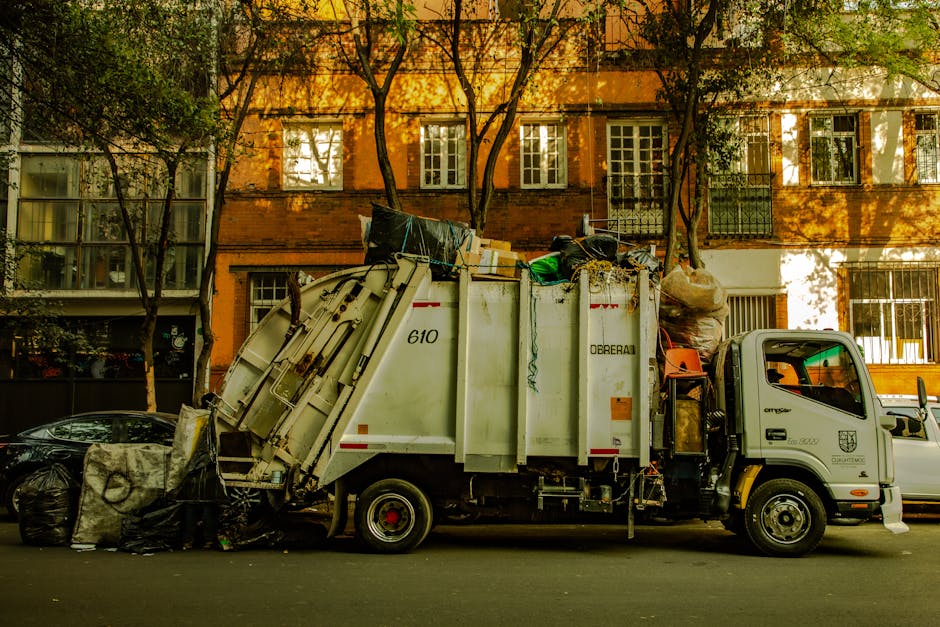
If you live near Fleet Pond, you already know that rubbish has a way of building up quietly. A few bags here, an old chair there, maybe a loft box that never quite made it back downstairs. Then one Saturday morning it all feels a bit much. That is where the Best rubbish collection for Fleet Pond homes GU51 becomes less of a nice-to-have and more of a relief. The right service should be quick, careful, and easy to arrange, without turning your day into a faff.
This guide explains how rubbish collection works for homes around Fleet Pond, what a good service should actually do, and how to choose the option that fits your space, your timeline, and your budget. We will also look at safety, recycling, common mistakes, and a practical checklist you can use before booking. No fluff. Just the stuff that helps.
Why Best rubbish collection for Fleet Pond homes GU51 Matters
Fleet Pond homes have their own rhythm. You get the same everyday household waste as anywhere else, but the local setting can make clearance more awkward than you expect. Narrow access, parking pressure, a busy family schedule, and the simple fact that large items never feel as light as they look. A robust rubbish collection plan helps you stay on top of all that before the mess starts affecting the way your home feels.
There is also a practical side. Letting waste linger can block hallways, attract pests, and make cleaning feel harder than it should. In a home setting, that is not just untidy; it can be genuinely frustrating. If you are decluttering before guests arrive, preparing for a move, or sorting out a repair job, fast and tidy collection makes a real difference.
To be fair, most people do not wake up excited about rubbish removal. They just want it gone, properly and without drama. The best services understand that. They work around your schedule, take care not to damage floors or walls, and leave the place swept through rather than half-finished.
For many households, the decision also comes down to trust. You want to know the waste is handled responsibly, that recyclable material is separated where possible, and that awkward items are managed with care. Services that are clear about recycling and sustainability tend to give people more confidence, and rightly so.
How Best rubbish collection for Fleet Pond homes GU51 Works
In simple terms, rubbish collection for a home usually follows a straightforward process: you identify the waste, arrange a collection time, the team arrives, loads the items, and takes them away for sorting and disposal. The details matter, though, because that is where a good experience becomes a great one.
Most home collections start with an estimate based on the type and volume of rubbish. A single mattress, for example, is a very different job from a full garage clear-out. Heavy materials, mixed waste, or items needing special handling can also change the approach. If you are unsure what you have, a quick photo list helps more than people think. A slightly messy corner in a shed can hide three different waste types. Happens all the time.
For larger jobs, a home clearance or house clearance style service may be more suitable than a one-off lift. If it is just one room, an attic, or a box-heavy declutter, a more targeted service can be tidier and better value. That is why homeowners often compare home clearance, house clearance, and more specific options like loft clearance or garage clearance.
If your waste includes sofas, beds, or other bulky furniture, a specialist route is usually simpler. The handling is easier, and the team can plan for lifting, dismantling, or recycling where appropriate. In the same way, appliances need a different approach again; items like fridges should be dealt with through proper fridge and appliance removal so they are not just dumped into a general pile.
In practice, a good collection should feel calm. The team turns up, checks access, confirms the load, and gets on with it. No fuss, no endless back-and-forth, no mystery charges popping up at the last minute. That part matters more than people admit.
Key Benefits and Practical Advantages
Choosing the right rubbish collection service is not only about convenience, although convenience is a big one. It also affects safety, space, and how quickly you can get back to normal life.
- Fast space recovery: Rooms, sheds, and hallways feel usable again almost immediately.
- Less physical strain: You avoid wrestling awkward items down stairs or into a car boot.
- Cleaner finish: A proper collection often leaves less residue and debris behind.
- Better sorting: Reusable and recyclable materials can be separated more sensibly.
- Reduced stress: One appointment is usually easier than multiple tip runs.
- Safer handling: Heavy or sharp waste is moved by people used to doing the lifting.
There is another quiet benefit: momentum. Once the rubbish is gone, it becomes much easier to finish the rest of the job. You sort the cupboard. You clear the hallway. You finally deal with the corner that has been bothering you for months. Small win, then another.
If you are planning a bigger tidy-up, you may also want a broader service such as waste removal for mixed household waste, or a more complete furniture clearance when old tables, wardrobes, or beds are taking over. For families replacing a sofa or bed, dedicated mattress and sofa disposal can be a much cleaner fit.
Expert summary: the best rubbish collection service is rarely the cheapest or the fastest on paper. It is the one that gives you a clear plan, handles the load safely, and leaves no doubt about where the waste has gone. That is what makes it genuinely useful for Fleet Pond homes.
Who This Is For and When It Makes Sense
This kind of service suits a lot more people than you might think. It is not only for full house moves or major refurbishments. In many homes, the need is smaller and more ordinary.
You may benefit from it if you are:
- clearing out a spare room, loft, shed, or garage
- getting rid of bulky furniture that will not fit in a car
- sorting household waste after decorating or minor repairs
- preparing a property for sale or rental
- supporting an elderly relative with a declutter
- dealing with an accumulation of general rubbish after a busy few months
It also makes sense for landlords and property managers working on residential homes where speed matters. A property sitting with rubbish inside can feel worse every day it stays that way. And let's face it, nobody wants a Sunday afternoon ruined by loading damp bin bags into the back of the car.
If the job has a particular shape, the right specialist service helps. For example, a property with a cluttered loft may suit loft clearance, while a house with multiple rooms of unwanted items may be better handled via house clearance. For awkward flats or upstairs homes, flat clearance can be the cleaner option because the access issue is built into the service plan.
Ask yourself a simple question: do you want to do the lifting, sorting, and disposal yourself, or would you rather have one team handle the whole thing? If it is the latter, you already know what route makes sense.
Step-by-Step Guidance
Here is a practical way to organise rubbish collection without overthinking it.
- Walk through the property. Check each room, the loft, garden edges, shed, garage, and any under-stairs storage. Look for hidden waste, not just the obvious pile.
- Separate the waste by type. General rubbish, bulky furniture, appliances, garden waste, and building debris are often handled differently.
- Identify awkward items. Old fridges, broken mirrors, mattresses, paint tins, or anything sharp should be flagged early.
- Take clear photos. This helps with estimates and avoids that awkward moment when the team arrives and the pile is bigger than it looked in your memory.
- Check access. Think about parking, stairs, narrow hallways, gate width, and whether anything needs dismantling.
- Ask what is included. Confirm loading, labour, disposal, and any extras before booking.
- Choose a time that works. If possible, pick a slot when the area is quieter and you will not be rushing around.
- Prepare the items. Group rubbish in one place where safe, and keep routes clear for removal.
- Inspect the finish. After collection, check the area and make sure nothing has been left behind.
One useful shortcut is to start with the hardest item first. If the old wardrobe, broken freezer, or damp carpet is the thing that is bothering you most, deal with that and the rest tends to feel easier.
For builders' debris or renovation leftovers, a more specific service such as builders waste clearance may be more appropriate than a general home pickup. That distinction matters because rubble, plasterboard, and mixed renovation waste can need a different plan.
Expert Tips for Better Results
After enough clearances, a few patterns become obvious. The homes that go smoothly usually share the same habits.
- Be realistic about volume. Waste always looks smaller when it is still stacked neatly. Once it is moved, it can surprise you.
- Bundle similar items together. That saves time during loading and often helps the team judge the job faster.
- Keep valuables separate. Old paperwork, keys, jewellery, and tools sometimes hide in boxes. It happens. Quickly.
- Tell the team about access problems early. A tight staircase or low hedge is not a small detail when you are carrying a wardrobe.
- Plan for recycling. If you already know some items can be reused or recycled, mention it before collection.
A lot of people also overlook timing. If you are decluttering before a weekend, a school holiday, or a property viewing, book early enough to avoid the last-minute scramble. You will sleep better for it.
Another good habit is to ask about the operator's approach to sorting and safety. Pages like health and safety policy, insurance and safety, and payment and security give useful signals about how carefully a business is run, even if you only skim them for reassurance.
If you are not sure what can go in a skip versus what needs separate handling, it is worth reading the guidance on what can go in a skip. It helps prevent those awkward misunderstandings that slow a job down.
Common Mistakes to Avoid
Most clearance problems are avoidable. The same few mistakes crop up again and again, and they are usually simple ones.
- Underestimating the load: A "small amount" can turn into a full van once everything is gathered together.
- Leaving hazardous items mixed in: Paints, chemicals, sharps, and batteries should never be thrown into general rubbish without checking handling rules.
- Forgetting access issues: Tight corners, parked cars, or no nearby loading space can slow the whole job.
- Not checking the service scope: Some providers will take only certain waste types, so assumptions can be expensive.
- Choosing on price alone: Cheap can be fine. Cheap and unclear is the problem.
- Waiting too long: Once waste spreads across a home, collection gets harder and more stressful.
One slightly annoying but common issue is mixing good items with rubbish. Old books, usable chairs, or unopened household goods sometimes end up in the wrong pile because the sorting stage feels tiring. If there is any chance an item can be reused, set it aside before the collection begins.
And yes, there is always that one drawer. You know the one.
Tools, Resources and Recommendations
You do not need fancy equipment to organise a home rubbish collection, but a few simple tools help keep everything under control.
- Heavy-duty bin bags: Useful for loose waste, but do not overload them.
- Box cutter or screwdriver: Handy for dismantling light furniture safely.
- Gloves: A basic pair can prevent scrapes and unpleasant surprises.
- Tape and marker: Good for labelling bags or boxes by room.
- Phone camera: Still the easiest way to document what needs removing.
- Measuring tape: Helps with bulky items that might need to pass through doors or stairwells.
On the service side, a few web pages are especially useful when you are comparing options. If the job is mainly domestic clutter, waste removal is the broad starting point. If your home clear-out has grown into a bigger project, home clearance or house clearance may give you a better match. If you are getting rid of a single awkward item like a sofa, the dedicated mattress and sofa disposal page is worth a look.
For readers who prefer to understand the business side before booking, the pages on pricing and quotes and book online can help you move from planning to action without too much back-and-forth.
Law, Compliance, Standards, or Best Practice
For rubbish collection in the UK, the key point is simple: waste should be handled by a properly run service that follows accepted industry practice and disposes of material responsibly. If you are booking a removal for a home, you do not need to become a compliance expert overnight, but it does help to know what "good practice" looks like.
In practical terms, that means clear communication, sensible sorting, safe lifting, and responsible disposal routes. If hazardous waste is involved, it should be treated separately and not folded into general household rubbish. That is true for things like chemicals, certain electrical items, and other problematic materials. For anything uncertain, a cautious approach is the right one.
If a provider explains its policies openly, that is usually a good sign. Pages such as hazardous waste disposal, insurance and safety, and about us help show how the company thinks about risk, responsibility, and customer care.
For homeowners, the main best practice is to be honest about what you have, avoid mixing uncertain materials into the pile, and ask questions if something feels off. That is usually enough to prevent headaches later.
Options, Methods, or Comparison Table
Different jobs call for different collection methods. Choosing the right one usually saves time and avoids paying for more capacity than you actually need.
| Method | Best for | Pros | Things to watch |
|---|---|---|---|
| General rubbish collection | Mixed household waste, bags, small clearance jobs | Simple, quick, flexible | May not suit very bulky or specialist items |
| Home clearance | Multiple rooms, decluttering, moving prep | More comprehensive, good for larger jobs | Needs clearer planning and access details |
| Furniture disposal | Sofas, tables, wardrobes, chairs | Handy for bulky items, often faster than DIY | Check whether dismantling is needed |
| Garage or loft clearance | Stored clutter, boxes, old equipment | Targets the space that gets forgotten | Access can be awkward, especially on narrow stairs |
| Specialist appliance removal | Fridges, freezers, white goods | Safer handling, better suited to specific items | Usually needs separate booking or handling notes |
If you are trying to decide between a few options, ask what your biggest pain point is. Is it volume, weight, access, or item type? The answer usually points you toward the right service. Not glamorous, but effective.
Case Study or Real-World Example
Here is a realistic example. A family near Fleet Pond had a hallway stacked with old toys, two broken bedside tables, a tired sofa, and a collection of bagged rubbish from months of "we will sort that later." Nothing dramatic. Just enough clutter to make the house feel narrower than it was.
They started with the sofa because it was blocking movement through the living room. Next came the bedside tables and loose bags. The loft boxes were checked last, which turned out to be sensible because a few keepers were found in the process. One box had Christmas decorations, another had paperwork that should never have been left up there. That tiny bit of sorting changed the whole tone of the job.
The collection itself was straightforward once access was cleared. The team lifted the bulky pieces first, then moved the bags, then swept the hallway so nothing gritty was left underfoot. By the end, the family did not just have less waste. They had space back. And space, honestly, changes how a home feels more than people expect.
This is exactly why the best rubbish collection is not only about disposal. It is about restoring the rhythm of the house. A clear hallway in the evening. A quiet room that does not smell faintly of damp cardboard. A bit of breathing room. Small thing, big effect.
Practical Checklist
Use this before you book your collection.
- Walk through every room and note all rubbish, bulky waste, and specialist items
- Separate anything reusable or keepable before the collection day
- Take photos of the load from different angles
- Check whether anything is heavy, sharp, wet, or hazardous
- Measure awkward items if they need to pass through narrow spaces
- Confirm parking and access near the property
- Ask which items are included and which need separate handling
- Review pricing and what the quote covers
- Set aside a clear path from the waste to the exit
- Keep pets and children away from the work area
- Do a quick final check before the team leaves
If you want a bit more background before booking, the site pages on recycling and sustainability, payment and security, and terms and conditions can help you feel more confident about how the service works.
Conclusion
The best rubbish collection for Fleet Pond homes GU51 is the one that makes your life easier without adding more noise, more lifting, or more uncertainty. It should be practical, careful, and appropriate for the kind of waste you actually have. That may mean a small general collection, a bigger home clearance, or a specialist service for furniture, appliances, or awkward loft clutter.
If you focus on access, waste type, and clear expectations, you will usually end up with a smoother result and a better value service. The goal is not just to get rid of waste. It is to get your home feeling like yours again. That quiet little reset can be a lovely thing.
Get a free quote today and see how much you can save.
Frequently Asked Questions
What is the best rubbish collection for Fleet Pond homes GU51?
The best option is usually the one that matches your waste type, access, and timing. For mixed home rubbish, a flexible waste removal service works well. For larger clear-outs, a home or house clearance may be better.
How quickly can rubbish be collected from a home?
That depends on availability and the size of the job. Small collections are often easier to arrange quickly, while larger or more complex clearances may need a bit more planning.
Can bulky furniture be collected from inside the house?
Usually yes, as long as access is safe and the item can be moved without damage. Sofas, wardrobes, and mattresses are common examples, and specialist furniture disposal is often the neatest option.
Do I need to sort everything before collection?
It helps, but you do not need to be perfect. Grouping waste by room or type makes the job faster and helps avoid confusion. If there are hazardous or special items, flag those early.
Is rubbish collection better than hiring a skip?
It depends on the job. A collection service is often easier when access is tight or you want the waste gone quickly. A skip may suit longer projects, but it needs space and can be less convenient for some homes.
What happens to recyclable waste?
Good services try to separate recyclable materials where possible. That is one reason it is worth checking how a provider approaches recycling and sustainability before booking.
Can I include garden waste with household rubbish?
Sometimes, but it depends on the service and the mix of waste. Garden cuttings, soil, and green waste may be better handled through a dedicated garden clearance if there is a lot of it.
Are fridges and freezers treated differently?
Yes. Fridges, freezers, and similar appliances usually need separate handling because of the materials and components involved. Dedicated appliance removal is the safer option.
What should I do with hazardous items?
Do not mix them into general rubbish. Items such as certain chemicals, sharp objects, or other risky materials should be identified separately and handled according to the provider's guidance.
How do I avoid hidden charges?
Ask what the quote includes, explain the waste clearly, and mention any access issues before booking. Photos usually help. The more accurate the description, the fewer surprises later.
Can I book a collection for a loft or garage clear-out?
Yes, and that is often the best approach when the mess is concentrated in one storage area. Loft clearance and garage clearance are common ways to handle clutter that has been left to build up over time.
What is the simplest first step if my home feels overwhelmed?
Start with one room or one category of waste. A single visible win can make the rest feel manageable. Honestly, sometimes just clearing the obvious pile changes everything.